



1. Mental Health Apps: Support at Your Fingertips
Mental health apps are becoming an integral part of therapy, offering tools to manage stress, anxiety, and depression. Whether you’re tracking your mood, practicing guided meditation, or engaging in cognitive behavioral exercises, these apps bring therapy into the palm of your hand.
Some popular mental health apps include:
- Headspace: Focused on mindfulness and meditation.
- BetterHelp: Connects users with licensed therapists for virtual sessions.
- Moodpath: Tracks emotional patterns and offers insights for therapy sessions.
According to a report by Statista, the global mental health app market was valued at over $4.2 billion in 2021 and is projected to grow significantly. These apps provide 24/7 support, making mental health care accessible for people with busy schedules or those in remote areas.
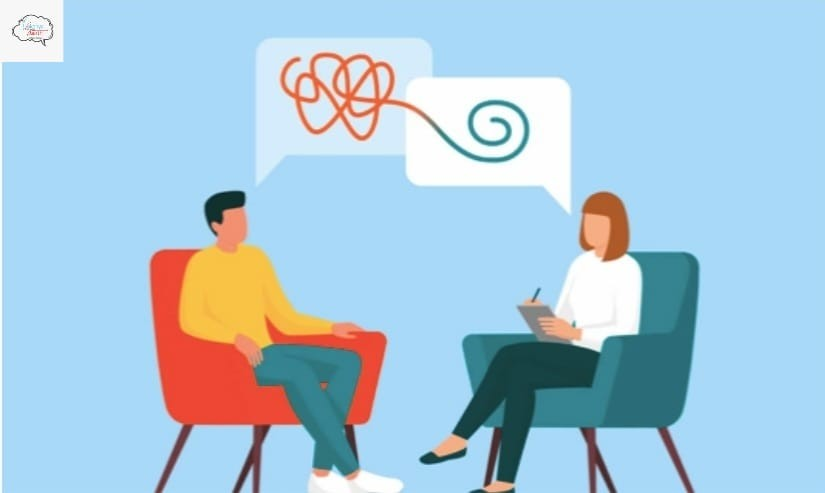
2. Online Therapy Sessions: Breaking Geographical Barriers
It is no longer a case of having to get in your car and drive to see a therapist. Through technological advancement of the internet when people cannot afford personal face to face sessions with a psychologist they book for an online therapy session. Many people can therefore receive consultations from licensed therapists through video calls, phone calls or even simple texting.
Benefits of online therapy include:
- Convenience: No travel is needed, saving time and energy.
- Affordability: Often more cost-effective than traditional therapy.
- Privacy: Ideal for those who feel anxious about face-to-face interactions.
The American Psychological Association (APA) highlights that online therapy is as effective as in-person therapy for treating common mental health conditions, including anxiety and depression.

3. Tailored Solutions for Chronic Stress and Anxiety
Thanks to technology, timely solutions suitable for each particular person suffering from chronic diseases such as anxiety or PTSD are available. Retail, social media and other net-based sources employ AI in order to propose anything from content or products based on the patron’s usage habits.
For example:
- Calm offers daily guided relaxation techniques to help manage stress.
- Woebot uses AI-driven conversations to teach CBT principles in an engaging way.
These tools allow users to work on their mental health at their own pace while still receiving professional guidance when needed.
4. The Human Touch in a Digital World
While technology plays a vital role in mental therapy, the human connection remains irreplaceable. Apps and online sessions often complement traditional therapy, not replace it. They serve as a starting point or an additional layer of support for those on their mental health journey.
How Sabren Group LLC Is Leveraging Technology
Sabren Group LLC adopts contemporary techniques in the improvement of mental therapy provisions. Not only is Sabren capable of providing online consultation, but it also makes sure clients get the best application possible. Their team of CCM certified specialists uses technology while offering the most customized therapy so that everyone can get therapy.
Regardless of dealing with stress, anxiety, and other conditions affecting one’s mental health, Sabren offers support entirely – from innovation to empathy.
Final Thoughts
Technology has indeed changed the face of mental therapy especially when it comes to integration of practice. Therapy is now more available with numerous apps, and the possibility of online sessions, with lower price setting than ever before. In this world of technology, innovation offers fairly good ways to assist individuals’ mental wellbeing that cannot be replaced by human touch.
Such players as Sabren Group LLC have set a solid precedent that mental therapy is going to be more inclusive and far more effective in the future. Start improving your mental health today – download an app, pick an online consultation, set up an appointment with a specialist.