



What if the most valuable treasure you could ever possess is the state of your mind? Mental health isn’t just a pillar of well-being—it’s the true wealth that shapes the richness of your life. A healthy mind doesn’t merely support you; it enhances every relationship, fuels your ambitions, and adds depth to your daily experiences. In a world that often chases material success, the absolute fortune lies within the mind that guides your journey.
There has never been a time when there was more talk about mental illnesses. In 2019, around 970 million people worldwide were affected by such diseases as anxiety and depression. The consequences of poor mental health are huge, ranging from reduced daily performance to profound economic implications. As a matter of fact, globally, 1 in 6 years lived with disabilities, which is due to these disorders and people with severe mental illness may die 10 to 20 years earlier as compared to the average population.
What is Mental Illness?
Mental illness is a blend of cognitive, emotional, and behavioral disorders, which are further categorized into two primary groups: Any Mental Illness (AMI) and Serious Mental Illness (SMI). While these categories are distinct, they can overlap.
In the Diagnostic and Statistical Manual of Mental Disorders, 4th edition (DSM-IV), any mental illness (AMI) is an extensive range of mental health conditions meeting the criteria laid down. These conditions differ from mild to severe and affect a person’s feelings and behavior.
Serious Mental Illness (SMI) refers to the more severe kinds of AMI. SMI, as per Substance Abuse and Mental Health Services Administration (SAMHSA), seriously affects one or more major life activities such as maintaining employment, social relationships or self-care.
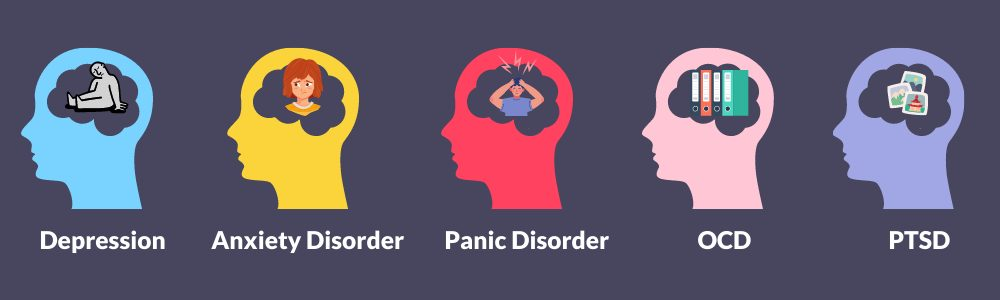
Some common types of mental health problems are:
- Anxiety Disorders: These are characterized by excessive fear, trauma and stress interfering with daily life operations
- Depression: Persistent sadness, low energy levels and lack of interest in things that used to give pleasure
- Substance Use Disorders: This is the repeated use of alcohol or drugs that causes impairment in one’s day-to-day life functioning
- Bipolar Disorder: One disorder which is known for its extreme mood swings between depressive lows and manic highs.
- Schizophrenia: It is a grave ailment affecting an individual’s thinking, feeling, and conduct.
- Eating Disorders: Anorexia nervosa or bulimia are some examples under this category.
- Obsessive-Compulsive Disorder (OCD): A chronic condition where individuals have uncontrollable, recurring thoughts (obsessions) and behaviors (compulsions).
- Post-Traumatic Stress Disorder (PTSD): A disorder that develops after experiencing a traumatic event, leading to ongoing psychological distress.
These conditions can significantly impact an individual’s quality of life, making early recognition and treatment essential for managing symptoms and improving overall well-being.
The Importance of Mental Coaching
Mental coaching is essential for mental health and aiding a person through life’s ups and downs. Mental coaches are professionals who help individuals deal with stress, depression, anxiety, or other mental health issues. These coaches help their clients develop different ways of handling problems to attain self-awareness, resilience, and peace of mind. Unlike traditional counseling, which concentrates more on healing from past wounds, mental coaching deals with goal setting and attainment, performance improvement, and resilience building.
Mental coaching is especially beneficial in high-stress environments such as sports, business or education where psychological demands can be overwhelming. In spite of every odd, by enlisting the services of a mental coach one can learn how to manage stress, stay focused and remain optimistic even when things seem to have gone wrong.

Wellness Coaching: A Holistic Approach to Health
Wellness coaching takes a broader approach to health, incorporating mental, emotional, and physical well-being. In addition, wellness coach work with clients to develop personalized plans that promote overall wellness. These plans should also include exercise, sleep, nutrition, stress management, and mental health support recommendations.
The role of a wellness coach is to guide clients in making sustainable lifestyle changes that can improve their quality of life. This approach ensures that all aspects of a person’s well-being are addressed, leading to more lasting and profound health benefits.
Sabren Recovery Service: Building a Supportive Community
Recovery support is crucial for mental health and wellness, providing a foundation for healing and personal growth. At Sabren Group, we are committed to fostering a nurturing environment where individuals can receive personalized support and guidance tailored to their unique needs.
Our approach to recovery support is centered on creating a compassionate and individualized experience. Whether you are dealing with addiction, anxiety, or other mental health challenges, our services are designed to offer the specific assistance you need. Our dedicated team of professionals provides one-on-one coaching and customized wellness strategies, ensuring that each person receives the attention and care required for their recovery journey.
At Sabren Group, confidentiality, respect, and a focus on holistic healing are at the core of our support services. We strive to build a supportive community that empowers individuals to achieve their recovery goals and maintain long-term well-being.
The Link Between Mental Health and Wealth
The concept of “mental health is wealth” is not just a phrase; it reflects the reality that mental well-being is highly crucial for a fulfilling life. When mental health is neglected, it can lead to a couple of issues, which include decreased productivity, lower quality of life, and strained relationships. On the other hand, investing in mental health with mental coaching, and participation in recovery support—can lead to significant improvements in all areas of life.
In addition, mental health impacts our ability to work, form relationships, and enjoy life. By prioritizing mental well-being, individuals can achieve greater success and satisfaction in their professional and personal lives. This, in turn, can lead to greater financial stability, as a healthy mind is better equipped for making sound decisions, pursuing opportunities, and handling stress.

Conclusion
In conclusion, investing in mental health through services like mental coaching, recovery support, and wellness coaching is necessary for a balanced and fulfilling life. The Sabren group offers a range of services designed for individuals on their journey to mental wellness. By considering the idea that “mental health is wealth,” individuals can build their confidence and live happier, more successful lives.
For more information, visit Sabren Group LLC.