


Having considered these questions, let’s start from the premises. What if the doctor could identify his or her illness in a matter of minutes? Instead of having the patient travel to the specialist, the hospital would bring healthcare to their home, and the patient’s entire medical history would no longer require telling the provider who had it? All of this sounds like pure science fiction, doesn’t it? That is no longer the case, as healthcare technology has advanced rapidly.
Healthcare is a general term that refers to all services, systems, and technologies that enhance the operation of the healthcare system. Health care solutions range from electronic health records (EHR) systems and telemedicine to customized treatment measures and durable medical equipment that aims to alter the healthcare delivery environment.
So, how do these healthcare solutions function, and why are they essential for the future of health? Let’s examine some of these solutions and the appropriate issues they solve.

The Growing Need for Health Care Solutions
The world’s healthcare systems are under tremendous pressure. According to the World Health Organization, the world population is aging, and the number of elderly people aged 60 or older will double by the year 2050. Hence, there is more demand for healthcare services, which has increasingly become burdensome for providers.
The COVID-19 pandemic thus highlighted the need for agility in health care. Rapid pivots in the model of hospitals and health care delivery came about from virtual care and remote monitoring, to reducing touch contact while continuing the imperative of necessary care in respect of the patient population affected. In this, such a pandemic has only facilitated the acceptance of more digitalized solutions in health care, from telemedicine, AI-enabled diagnostic support mechanisms, and more.
Types of Health Care Solutions
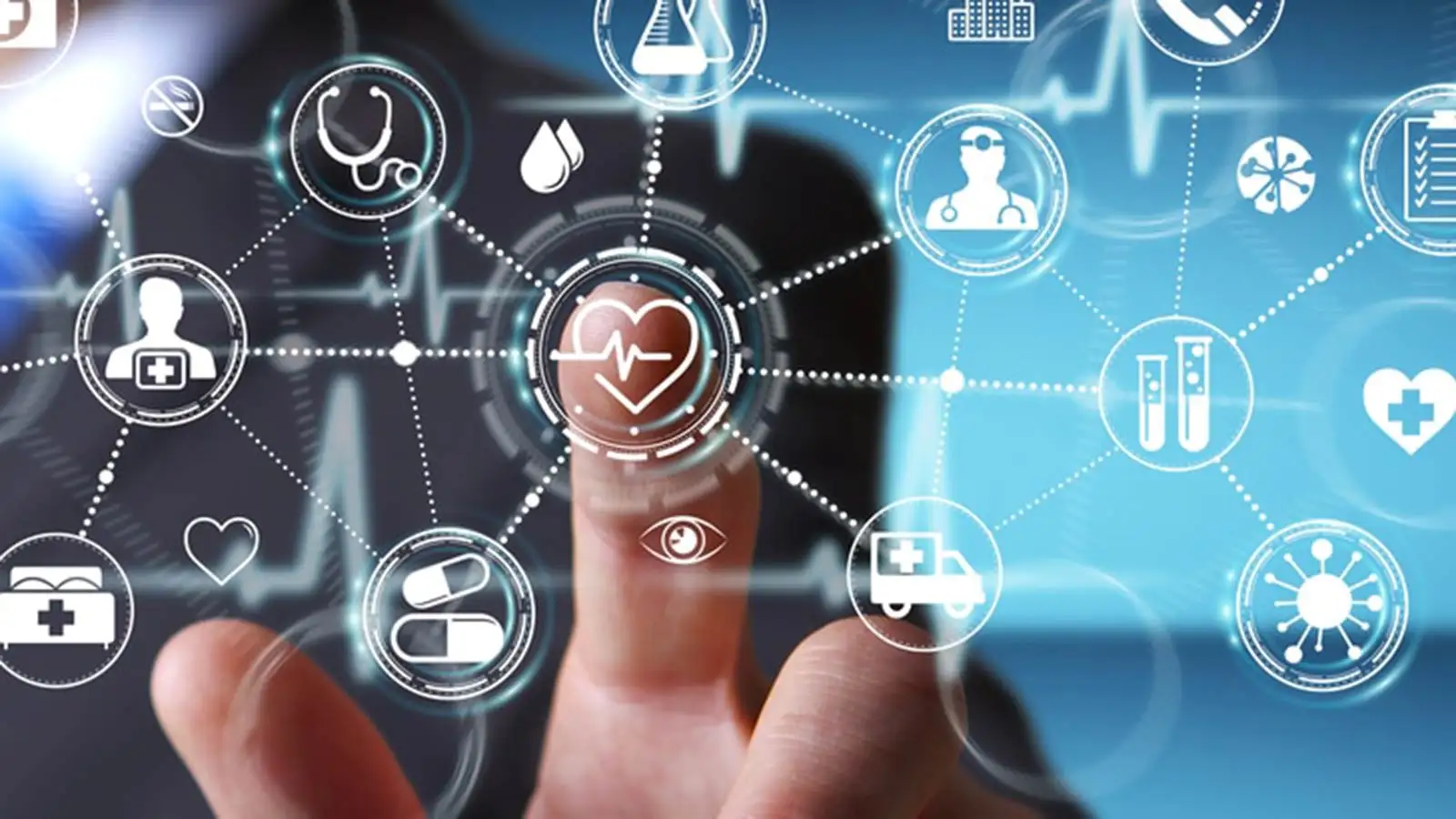
Health care solutions come in various forms, each serving a unique purpose to improve patient care and operational efficiency. Some key types of health care solutions include:
1. Electronic Health Records (EHR)
EHR systems have revolutionized the way patient information is stored and shared. The digital records enable the immediate access of a patient’s medical history, test results, and treatment plans. EHR has improved coordination among health professionals and reduced medical errors.
Approximately 86 percent of office-based physicians in the United States report their use of EHRs systems according to the Centers for Disease Control and Prevention (CDC). This improves care while at the same time keeping processes simple in terms of administrativality.

2. Telemedicine and Telehealth Solutions
Telemedicine has now become an essential part of healthcare, especially after the pandemic. This enables patients to see doctors remotely via video calls and, thus, does not require a visit. It is highly beneficial for patients who are rural or have mobility issues.
It is estimated that telemedicine will rise at an annual rate of 23.5%, and the market value is expected to reach $185.6 billion by 2026 according to Global Market Insights. With flexibility and convenience, telemedicine has become a popular choice between patients and healthcare providers.
3. AI and Machine Learning in Health Care
With artificial intelligence, various conditions are diagnosed faster and treated better through individualized plans. AI can look at massive data input such as medical images through analyzing the pictures to help doctors identify more cancer, heart disorders, and neurological disorders.
AI health care solutions also include drug discovery, clinical trials, and patient monitoring. According to PwC, 69% of healthcare executives believe that AI will impact the industry significantly in the next five years.
4. Health Wearables and Remote Monitoring
In addition to ECG monitors, health-related wearables such as exercise trackers and smartwatches have gained popularity in the past few years. As well as collecting health data in real-time, these devices enable healthcare providers to monitor potential health problems immediately; heart disease, diabetes, high blood pressure, and many others.
The global market for wearable healthcare devices is estimated to reach $60 billion by 2023 owing to the increasing demand for personalized healthcare solutions

5. Patient Portals and Mobile Health Apps
Solutions empower patients to take control of their medical information, schedule appointments and refill prescriptions through patient portals and mobile health applications. This solution helps to increase patient engagement in terms of the ability to be actively involved in their own health.
McKinsey reports that 75% of patients prefer to communicate with healthcare providers through digital channels, testifying to the growing demand for mobile health solutions.
Challenges in Health Care Solutions
While health care solutions have made great strides, there are still challenges to overcome. Some of the most important things are:
1. Data Security and Privacy
The increased digitization of health data has also brought forth concerns about the security of the data and the patient’s privacy. According to an IBM report, health care data breaches are the costliest in any industry, averaging around $9 million for a breach.
These risks can be curbed by investing in robust cybersecurity measures and abiding by data protection regulations such as the Health Insurance Portability and Accountability Act for U.S.-based health care organizations.
2. Interoperability
While EHR and many other health technologies advanced the utilization of patient data, interoperability remains a significant concern. In addition, there are different health care systems along with platforms which frequently make effective use of incompatible software, posing a significant challenge for the smooth data interchange across different organizations and providers.
Furthermore, there are efforts underway for standardizing health data so that the systems can communicate with each other. Moreover, the integration of blockchain technology in healthcare may focus on a significant potential solution for enhancing data interoperability and security.
3. Cost of Implementation
Advanced health care solutions are expensive to implement, especially for smaller healthcare providers. Some upgrade the existing systems, while others train the staff on new technology, which is again a cost.
But the cost of health care solutions is expected to go down with the development of technology. The long-term benefits of improved patient care and reduced administrative costs make this investment worthwhile.
The Role of Sabren Group LLC in Health Care Solutions
At Sabren Group LLC, innovative and effective health care solution making skills are at the forefront of providing solutions. Personal coaching, wellness strategies, as well as individualized treatment options are offered to facilitate individuals and organizations in trying to navigate the complex health care.
At the heart of Sabren Group’s services is a commitment to improving patient well-being through customized plans tailored to meet each person’s unique needs. Whether through sexual addiction coaching or broader wellness strategies, Sabren Group supports clients with expert guidance, ensuring they receive the care and attention they deserve.
With an ever-growing need of finding solutions in the health care sector, companies such as Sabren Group LLC are proving to be beneficial in yielding better patient outcomes and improved quality of life with life coach support and different recovery plans. Keeping patient care and unique strategies as their foremost goal, Sabren Group are emerging as key players in providing advanced health care solutions.
Key Takeaway
In conclusion, health care solutions are reshaping the method of healthcare service delivery while providing more patient-centric and efficient care at all points on the globe. Solutions in telemedicine to AI-driven diagnostic solutions are increasingly yielding improvements in patients’ outcome and reducing operation cost. More than ever, in health care, challenges in addressing those challenges continues to evolve as Sabren Group LLC offers customized health care solutions meant to give long-term support in dealing with health care.
For More Blogs:
How Innovative Health Care Solutions Are Revolutionizing Patient Outcomes